The trajectory of building and creating over history has been one of ongoing compartmentalization of the various roles of design, manufacturing, and administration - especially since the unleashing of the machine in the industrial age. More than ever, independent interests vie for leverage in the administration of what gets built. The result is an overwhelming mess of mediocrity.
The proliferation of legislation, litigation, codes, regulations, permits, inspections and other oversight has hamstrung creativity and innovation in the built environment - but despite these suffocating constraints, we can’t let designers and architects off the hook. The ‘professionalization’ of the design and building trades is a kind of exclusive quasi-intellectual pursuit that seems to value self-preservation over ethical and cultural responsibilities. This only contributes to the predictable decay of the design professions and further entrenches the various ‘disciplines’ of building.
There seems to be an unspoken agreement between the academy and the profession to discard and scoff at anything that might be considered folk, ‘unprofessional’, ‘undisciplined’, etc - which is then reflected into the growing administrative burdens of building anything.
The irony is that the institutions of design offer little in terms of an intelligible value system that might guide and innovate how we build. Any kind of leading ethos to give direction to the industry is absent, at least in mainstream work, in the post-industrial age. In other words, rather than prove it’s value through praxis, the industry has resorted to defensive and litigious means to ‘protect’ it’s place in society. The design-by-committee process parcels out responsibility and oversight, giving up ground on any meaningful ability to build better than, or at least as well as, we have before. Craft, and therefore culture, have given way to the commodification of everything, including the design and building professions themselves.
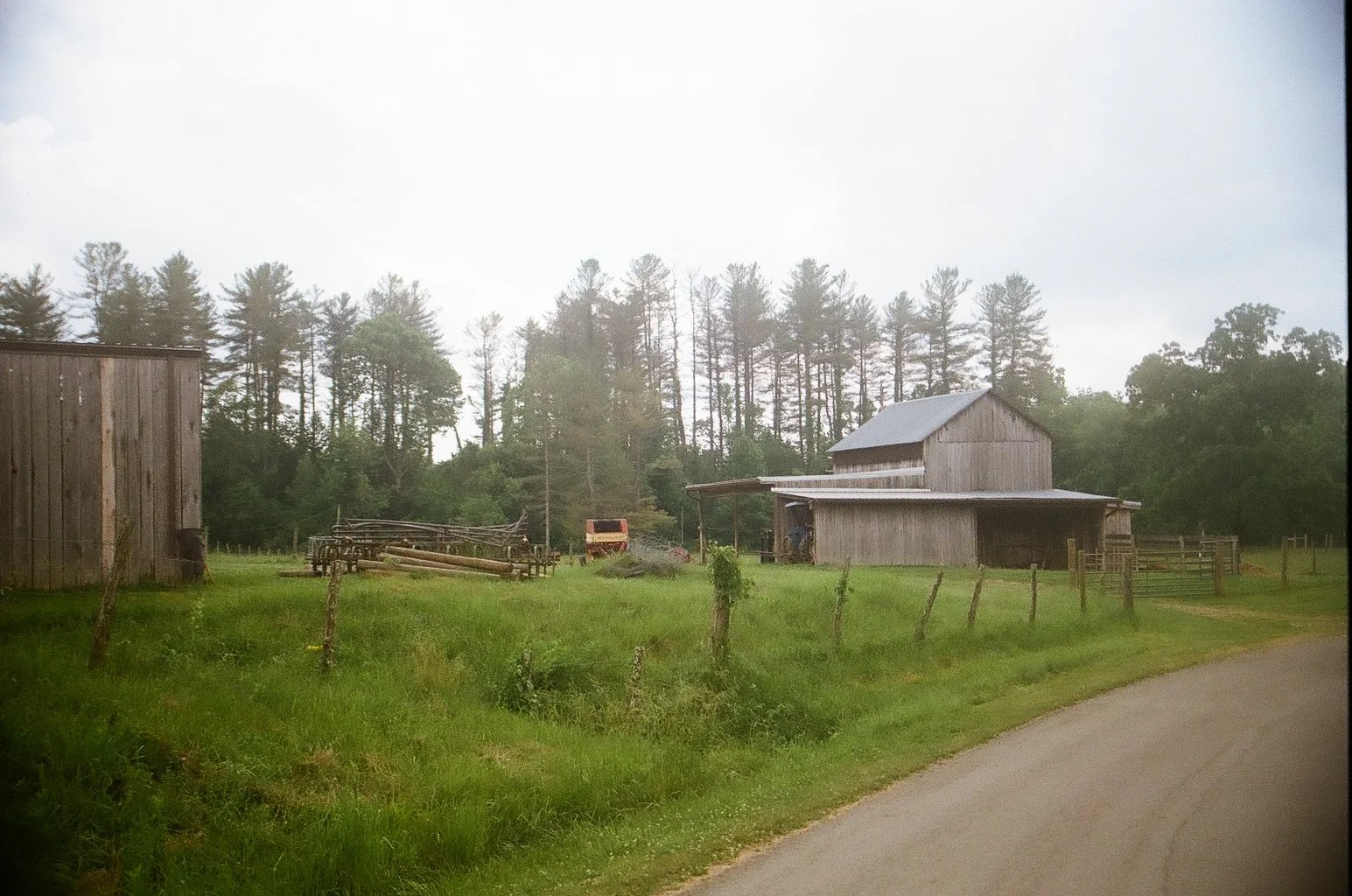
Nevertheless, trained designers are quick to fetishize the so-called ‘vernacular’, the last hold-outs of regional craft. But the modern designer is driven by the eye and generally limited to grasping at cheap symbols supposedly representative of folk craft and traditional building. To understand any kind of ‘vernacular’ building, you have to know the people who create them.
And what is the vernacular? It is architecture without architects. It is the anonymous act of creation borne out of the hyper-specific necessity of structure - whether it be functional, cultural or mythological. It is a complete undermining of the whole, flimsy contemporary underpinnings of the profession. It is the very thing that the professional guard has been out to destroy.
By fetishizing the vernacular, we admit that folk building has something to offer that ‘professional’ architecture (that is, architecture by architects) does not. A common defense against this self-inflicted undermining of the architect’s own authority is the Critical Regionalist’s line of thinking that suggests that the architect should acquire contextual symbols representative of a place’s building tradition and reassemble them within the rigor of contemporary intellectual frameworks. Because of course, folk building methods and forms in themselves are not worthy of serious consideration until they are inflected with the ‘professionalism’ of the architect.
This isn’t a complete or fair summary of Critical Regionalism. I admit to finding the Critical Regionalist theory intriguing and even useful, but it’s seemingly done little to combat the most common, well deserved and most difficult to refute critique of the contemporary architecture practice - the overwhelming ubiquity of bland and soulless spaces, structures and cities, disconnected from culture, geography, climate and the human experience. A truly regionalist approach, one that might help slow the spread of mediocrity in our built environment, would require deep knowledge of the history, resources and people of the place.
Perhaps, despite the continued doubling down on the narrowing and specialization of the various building and design trades, there is still something great to learn from those who have done what we, the profession, do without the extensive training and ever-increasing administrative limitations. I don’t expect much of an admission from the academy or professional institutions on the merits of folk craft and building - but without a course correction, and maybe even an acknowledgement of informal and intuitive ways of building, the legitimacy of the professions can only continue to erode.
We seem to have fully bought into the myth that with more effort, more technology, and more commercial products in our arsenal, that we may again achieve the kind of enduring and inspiring construction of the historical structures that we study and preserve today. The alternative is to believe that this pursuit is just not worthwhile and to accept the bland uniformity and placelessness of our built environments as inevitable, or even desirable. If we have not entirely given up on our architecture and our cities, it’s perhaps time to find inspiration in what has worked before, rather than to march on blindly toward Progress trusting that more technology will be our savior.
More than 100 years ago, Walter Gropius and the Bauhaus crowd sought a re-union of craft and art - of design and construction. They witnessed what was on the horizon - the consequences of the machine age. The ‘robotization’ of the individual when craft is reduced to commodity, and building is left entirely to the constraints of the machine, without the creative direction and intellectual purpose of the designer with agency and mastery over their tools. They likely underestimated the power of the machine - which they worked to reign in through a new form of machine-age craft. In the age of AI, the pace and scope of this displacement has only increased - but the consequences are the same. Artificial intelligence will never replace human craft - but without the intentional and persistent resistance to the ‘progress’ of machine development, the agency of the designer and the communities and clients who they represent, will continue to be sacrificed.