‘Current suggestions for further improvement still tend to fall automatically into a purely mechanical mold… on the glib theory that uniform conditions are the “ideal” ones…
Formless urbanization, which is both dynamic and destructive, has become almost universal. Though it utilizes one kind of structure in metropolitan renewal projects and a slightly different kind in suburbia, the two types have basically the same defect. They have been built by people who lack historical or sociological insight into the nature of the city, considered as anything but the largest number of consumers that can be brought together in the most accessible manufacturing and marketing area.’
- The Design of the City, Lewis Mumford
One, potentially useful, dualism in the categorizing of built structures is between an image-driven and a craft-driven architecture. The spirit of each of these strains of practice, though, is being abandoned at a fast rate except to the extent that they can serve the economic aspirations of the funders and benefactors of development. These overseers of what gets built and where, unfortunately but not surprisingly, have generally no taste, no vision and no care for the human experience of what gets built, even when they occupy these spaces themselves or hang their name upon them.
The image-driven architecture is the design and embellishment of the spectacle. The creation of the image-based architecture usually starts and ends with the conception of the diagram or symbol which the building should speak to — often witnessed from specific pre-determined viewpoints, like the streetscape, the highway, the skyline, or possibly, if the symbolism is carried also into the building, from a grand atrium or circulation path or point of pause within the structure. In contemporary practice, the work of ‘starchitects’ like Bjarke Ingels exemplify this approach of design by diagram and the building as a symbol.
This type of architecture usually relies on compulsory technical detailing and administrative maneuvering, sometimes quite impressive in its own right, to realize the monument — each necessary detail of construction is at the service of the symbol. Don’t inspect too closely the architecture of the image, or the whole thing might fall apart.
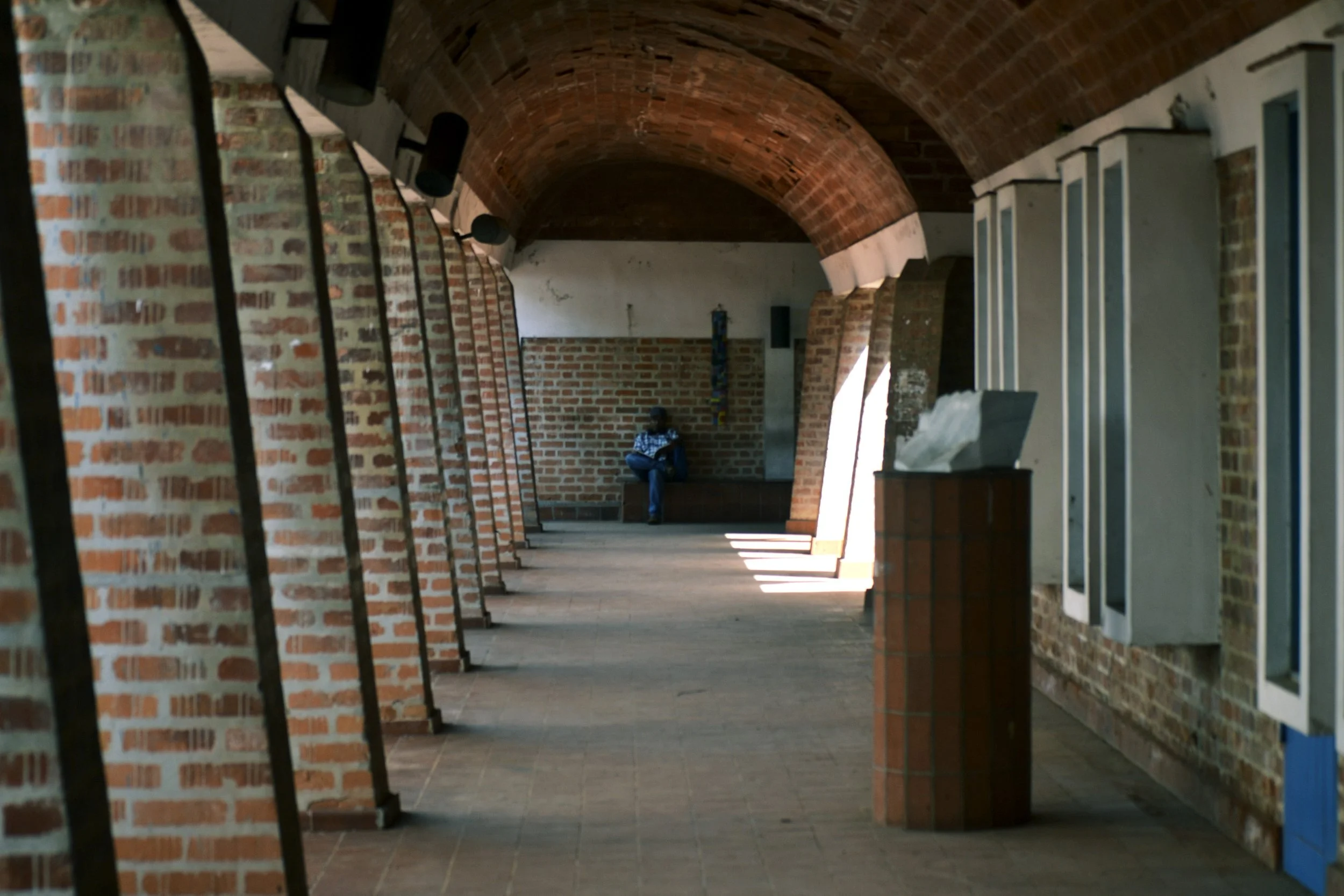
On the other hand, a craft-driven architecture allows the form of the building to follow the materials of its construction and the efforts of those who construct and assemble it to lead. The detail is the genesis rather than a technical sleight of hand meant to evoke the symbol. This type of building is closer to the traditional means of building which, out of necessity, relied on regional resources — both material and human — to realize everything from humble homes to enduring monuments. The work of Peter Zumthor, whose buildings lack the conceptual clarity of the more typical star architect’s monument, relies on the materials and methods of construction, usually with regionally appropriate materials, to invoke an ‘atmosphere’ rather an image.
The craft-driven architecture may be firmly rooted in a place — for instance, the Japanese have long built impressive structures out of wood, and have gone to great lengths to preserve the knowledge of their craft (eg, the rebuilding of the Ise Shrine every 20 years for well over a millenium). Technology has certainly supplemented craft traditions, as can be seen in the work of say, Kengo Kuma or Shigeru Ban — but it has not displaced tradition for the sake of ‘efficiency’, which of course, leads to a uniformization of everything, despite the resistance and creative efforts of even the best designers.
Image and craft are not mutually exclusive. The architectural image alongside careful craft can be found in historical monuments, say the repetition and proportions of the Greek temple, just as easily as the Modernist canon — take the Farnsworth House by Mies van der Rohe. However, since the abandonment of regional building methods beginning in the industrial age, the split between craft and image has widened, with the image-based architecture taking precedence. The inertia of technology tends to displace regional ways of thinking and building, which in turn, replaces traditional craft and craftspeople with universal systems of building products using standard materials that can sourced and assembled just about anywhere in the globe. The spectacle is easier to sell and quicker to produce, even when it has been reduced to a flat and uninspiring monolith of dull materials with a few tacky flourishes.
Contemporary building in the 21st century has mostly abandoned the spirit of both approaches in the sole pursuit of “efficiency” — the structure as first, and maybe solely, commodity. So the image must only be that which sells, not that which inspires or excites. This is just as true of the personal home as it is in the speculative commercial building or the community gathering space — resale value and return on investment are all that remain sacred.
A monoculture of building has taken a firm grip, modeled on a ‘scientific’ and ‘rational’ approach — not unlike the monoculture of agricultural production that made the family farm mostly obsolete. In the same way, a global, formless architecture has stamped out any place in the industry for bespoke craft except to serve a small minority of exclusive elite. This is convenient for politicians, investors, city planners and stakeholders who measure building and it’s associated uses (housing, tenant space, manufacturing and production, etc) by economic metrics.
The monoculture relies on proprietary inputs from an ever-evolving and consolidating pool of corporate distributors. Each product in the kit of parts to choose from is solving a specific problem, usually one that it created in the first place — structural, environmental or aesthetic — making up a layered and convoluted construction without a unifying logic. When new problems arise, as of course they do in such a ‘rational’ approach, the system is repeated to add a new layer to address the latest symptom — and on and on. Novel products and industry niches are popping up regularly to solve very specific issues that never existed in the first place when construction was rooted in place-based knowledge and ways of building.
Very few are asking the broader questions of why we build the way we build, and if there is a better way - in the future, or particularly in the past.
Those architects and builders who can achieve a conceptual clarity of a firm intellectual footing while navigating the growing administrative and technical challenges of creation are praised, rightfully so, given the monumentality of this task. Meanwhile, less and less of our societal creative energy is directed toward envisioning a better built environment because that effort is needed for the gymnastics of obtaining planning and zoning approvals, capitulating to HOAs, modeling energy usage, satisfying building inspectors, padding pro formas and otherwise selling the commodity of space in our built environment.
Craft, and the specialized regional ways of building that had developed for generations using repeatable and adaptable materials and methods of a locale, have little place in this ‘rational’ way of designing and constructing the built environment. Those who still operate with some level of traditional means — perhaps building with earth or timber or stone — are dismissed or ignored as irresponsible idealogues. To be modern, after all, is to wipe the slate clean of the shackles of tradition and fully embrace consumption, commodification, scale and global uniformity.
The architecture industry hasn’t yet seemed to draw a connection between the transition to a purely technical and administrative role and the further erosion of the architect’s standing, influence and, of course, fees. The creative, intellectual and visionary responsibilities have been abandoned within the walls of academia, while disillusioned young designers who have not yet been fully crushed of the vitality and vision needed to realize a different way of building are being churned through and burned out of the industry at an increasing rate, leaving those who embrace the religion of ‘efficiency’ left to guide us and to rebuild the world in their image.
‘I have never met that sculptor who could design a Venus “in the mind’s eye” with the expectation that a collaborator would free her from the marble block; and he would be a strange architect who could expect contractors and workmen to capture his thought in steel and stone except under his own strict supervision. Among the architects-of-cities there should be only two categories: master and apprentice, both of whom should be mindful of the truth, so often demonstrated in the arts, that imagining and making are, in practice, parts of a single process’
- Architecture and the Spirit of Man, Joseph Hudnut